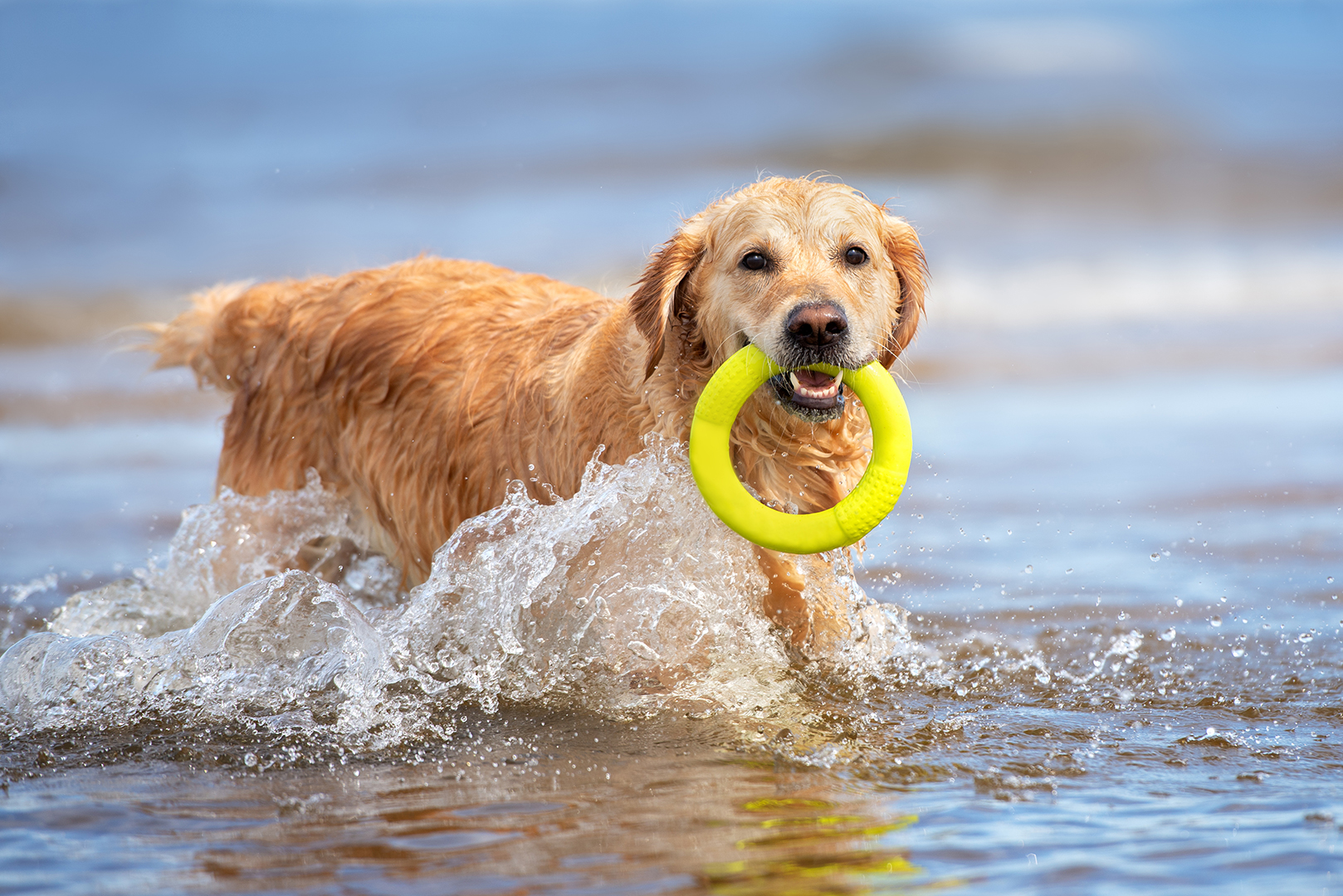
Water can bring a new level of activity and enrichment into a dog’s routine. Natural settings like lakes, rivers, and oceans offer space to explore, but they also introduce unfamiliar elements. Waves, shifting terrain, and unpredictable conditions can create hesitation, even for active dogs. Many pet parents recognize this when planning a beach trip or visiting a lake for the first time and realizing their dog has never experienced water beyond a bath.
A thoughtful introduction to the wider world of water makes a big difference. After all, your next trip to the pool, the beach or the lake shouldn’t mean your pet stays on-leash while the rest of your family is having a good time. This post explores how structured pool time helps prepare your dog for safe and confident swimming outdoors.
The Case for Pool Training
Dogs benefit from learning to swim in a setting where they can focus without added pressure. Early experiences shape how they respond to water over time, so building confidence at the start matters.
Pool training offers a consistent environment where dogs can develop skills and comfort at their own pace. It removes many of the unknowns found in open water while still allowing dogs to experience movement and depth.
In a controlled setting, dogs are given the space to focus on the experience itself rather than reacting to distractions. There are no sudden noises or unclear footing to navigate. This structured setting helps dogs stay engaged and makes each session more productive.
Pool sessions also allow for close supervision and guided support. Trained staff can step in at the right moment, adjust the pace, and help dogs work through hesitation in a calm and structured way. It is difficult to provide this level of attention in a more open swimming environment.
Over time, this approach builds familiarity with water as a whole. Instead of reacting to it as something new or unpredictable, dogs begin to understand it as a normal and manageable part of their environment.
Why a Controlled Start Matters
A pool provides a setting where dogs can learn without distraction. The depth is consistent, entry points are clear, and each session feels familiar. This allows dogs to focus on understanding how their body moves in water.
Returning to the same environment helps dogs build comfort over time. When they know what to expect, they are more likely to engage and less likely to hesitate.
Open water often presents challenges that dogs are not prepared for right away. Sudden drop-offs and uneven or slippery shorelines can create confusion. A controlled introduction replaces that uncertainty with clear, positive experiences.
Building Skills That Carry Forward
Early training sessions help dogs find their natural movement. Some begin paddling right away, while others take time to adjust. Calm guidance and short sessions support steady progress without overwhelming your dog.
As they gain control, their movements become more efficient. Many dogs progress from short, uneven splashing to steady paddling with better balance and direction. This builds strength and helps them feel more secure in the water.
The team at Greenleaf understands that each dog will learn in their own way and at their own pace. Training in a pool allows our team to give the care and attention needed to each animal.
Practicing Entry and Exit
Knowing how to enter and leave the water is a key part of safety. Dogs that understand these transitions feel more confident and are less likely to panic.
Clear entry points and repeated practice help create reliable patterns. Guiding your dog to use the same exit point during each session reinforces that habit and gives them a predictable way out when they need a break.
Transitioning to Open Water
Introducing New Conditions
Dogs that have trained in a pool are better prepared to handle new environments. They already understand how to stay afloat and move with purpose.
Starting in calm areas allows for a smoother transition. For a first session, a few simple steps can help guide the experience:
- Choose a quiet shoreline with gradual entry
- Keep the first session brief
- Stay within arm’s reach
- Let your dog decide how far to go
- We highly recommend using a well-fitted life jacket, especially for first-time swimmers or when exploring unfamiliar water
This step-by-step exposure supports confidence without overwhelming the dog. They are able to tap into prior training, training that helps with both safety and their enjoyment of the water.
Watching for Comfort and Stress
Observing body language helps guide the experience. A relaxed posture, steady paddling, and willingness to re-enter the water often signal comfort.
Signs of stress may include frantic movements, repeated attempts to climb out, or reluctance to return to the water. Slowing the pace when these signs appear helps maintain trust and keeps the experience positive.
Safe and Fun Swimming Activities
Once your dog is comfortable in the water, swimming can become more than just an exercise. It can turn into a shared activity that builds engagement and strengthens your bond whether you’re at the pool or out in larger and more open bodies of water..
Structured Play in the Water
Simple games help reinforce skills while keeping the experience positive. Retrieving a floating toy or swimming short distances between you and a safe shoreline gives your dog a clear objective. These activities encourage controlled movement and help maintain focus in a new environment.
It is important to keep play sessions manageable. Short bursts of activity followed by a trip to a fresh water dish and a chance to rest help prevent fatigue and allow your dog to stay confident in the water.
Building Confidence Through Exploration
Not every moment in the water needs to be structured. Some dogs benefit from having the freedom to explore at their own pace. Walking along the shoreline, entering and exiting the water, and gradually moving into deeper areas can all support confidence.
This kind of low-pressure exposure allows dogs to apply what they have learned in a natural setting. Over time, they begin to approach the water with curiosity instead of hesitation.
Keeping Safety Part of the Experience
Even during play, safety should remain part of the routine. Staying nearby, monitoring energy levels, and choosing appropriate locations all contribute to a positive experience.
As your dog becomes more comfortable, these activities can become a regular part of your outdoor routine. With the right foundation, time in the water shifts from something new into something familiar and enjoyable.
Continuing Progress in a Structured Setting
Returning to a familiar environment allows dogs to practice skills and build confidence over time. For dogs that need a structured place to develop these abilities, a guided setting can make steady progress more achievable.
At Greenleaf Pet Resort, dogs are introduced to new experiences with attention to behavior, comfort, and pace. This approach supports their mental, physical, and emotional well-being.
If you are planning for summer activities, structured swim sessions can be a helpful way to prepare your dog for time in the water. Help your dog build swimming skills in a safe and supportive environment at our Millstone or Oakhurst location before heading into open water. Contact us now to schedule a swimming session for your dog. We even offer evaluations for dogs just getting started as well as private swims for dogs for existing clients who have passed an evaluation.